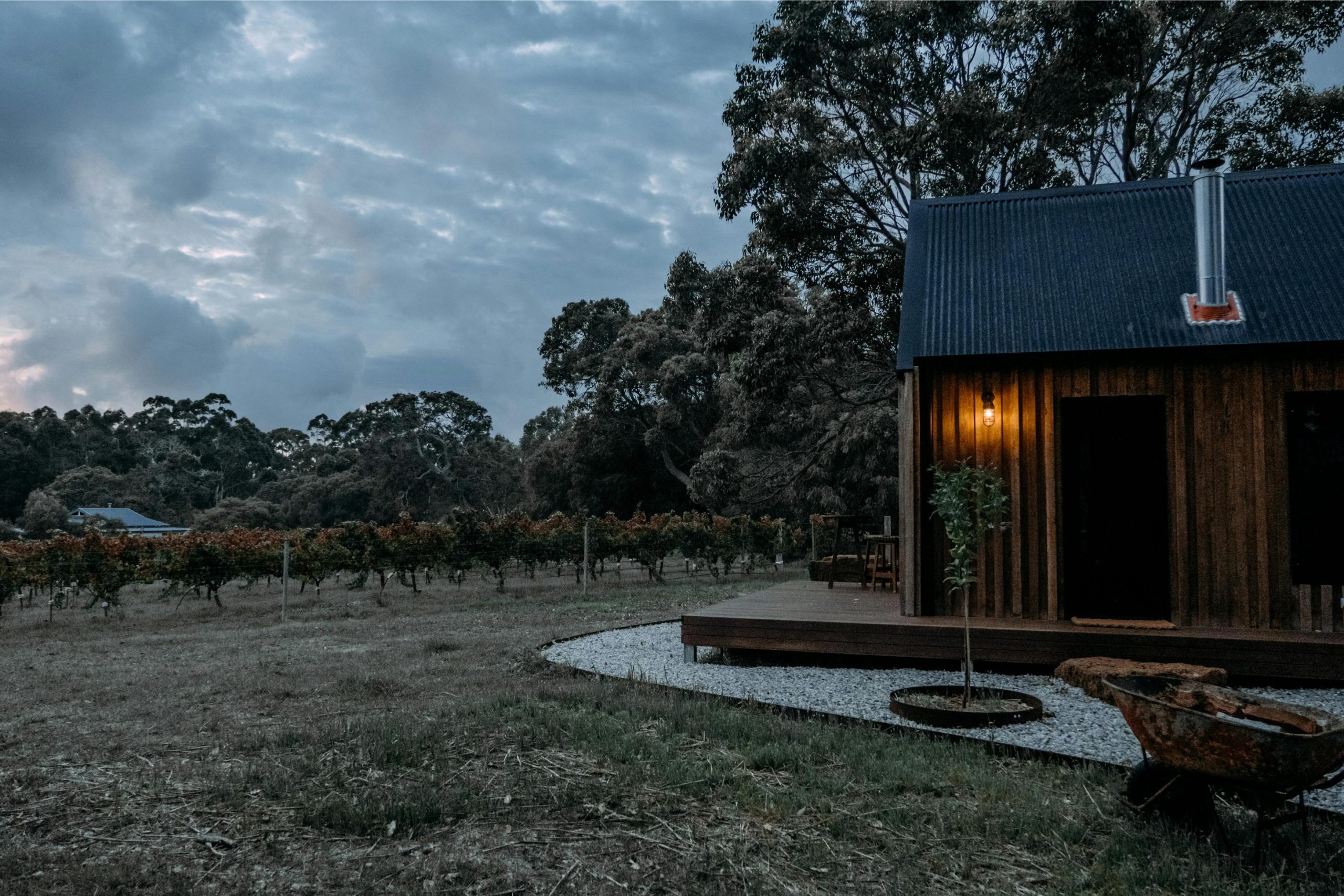
Storms rarely give much warning, and when they do, preparation time is often limited. A home that is thoughtfully designed with resilience in mind can make the difference between minor inconvenience and major damage. Creating a safer, storm-ready home isn’t about a single upgrade—it’s about layering smart decisions across your home’s structure, systems, and surroundings.
Think of your home as a system where every component plays a role. The roof sheds water, the foundation anchors everything in place, and even small details like seals and finishes contribute to overall protection. When these elements work together, your home becomes far more capable of withstanding heavy rain, high winds, and sudden temperature shifts.
It also helps to shift your mindset from reactive to proactive. Many homeowners only address issues after damage occurs, but storm-resistant design is about anticipating stress points before they fail. For example, a homeowner who reinforces drainage before a storm season may never experience the flooding that their neighbor faces. These quiet wins—problems that never happen—are often the true measure of a well-prepared home.
The goal is not perfection, but preparedness. By identifying vulnerabilities and strengthening key areas, you can reduce risk, avoid costly repairs, and gain peace of mind when the weather turns unpredictable.
Evaluating Structural Weak Points Before Storm Season
Before making upgrades, it’s worth taking a step back and assessing where your home may already be vulnerable. This process is less about guesswork and more about observation and pattern recognition.
Walk around your home after a heavy rain. Notice where water pools. Look for cracks along exterior walls or uneven surfaces near the base of your home. Inside, pay attention to subtle signs like doors that don’t close properly or small fissures in drywall. These can hint at deeper structural concerns.
A few key areas to focus on include:
- The base of your home, where shifting soil or moisture can create instability
- The roofline, especially around edges and seams
- Exterior walls that show signs of wear or separation
If you notice recurring issues, it may be time to explore foundation repair. Addressing these problems early can prevent more severe damage during storms, when saturated soil and high winds put extra stress on your home’s structure.
It’s also helpful to think about your home’s history. Has the property experienced flooding before? Were there previous repairs that may not have fully resolved the issue? Patterns tend to repeat themselves if underlying causes aren’t addressed. Keeping a simple log of what you observe over time can help you make more informed decisions.
Roof damage is another area that often goes unnoticed until it’s too late. Even minor wear can escalate quickly during severe weather. Scheduling an inspection or addressing concerns related to storm damage roof repair before the season begins can save significant time and expense later.
Choosing Roofing Materials That Withstand Harsh Weather Conditions
Your roof is your home’s first line of defense, and the materials you choose matter more than many homeowners realize. While aesthetics often guide decisions, durability should take priority when storms are a concern.
A metal roof is one of the most resilient options available. It sheds water efficiently, resists high winds, and can last decades with proper care. While the upfront investment may be higher, the long-term benefits often outweigh the cost, especially in storm-prone regions.
Another advantage of modern roofing systems is the availability of impact-resistant materials. These are designed to withstand hail and debris without cracking or breaking. When paired with proper underlayment, they create a layered defense that keeps water from penetrating the home.
Beyond material selection, installation quality plays a major role. Poorly secured panels or shingles can become vulnerable entry points for water. Regular inspections help ensure everything remains intact and functional.
Maintenance doesn’t need to be complicated. Clearing debris, checking for loose components, and addressing small issues promptly can extend the life of your roof. If you’ve experienced severe weather in the past, revisiting areas that may require storm damage roof repair ensures your roof remains ready for the next event.
Reinforcing Entry Points Against Wind and Water Intrusion
Doors, windows, and garage openings are among the most common entry points for storm damage. These areas often fail not because of their size, but because of small weaknesses that go unnoticed over time.
Start by checking seals and weatherstripping. Even a small gap can allow water to seep in during heavy rain. Reinforcing doors with stronger hardware and ensuring windows are properly secured can significantly reduce risk.
You might also consider upgrading to impact-rated doors or adding storm bars for extra protection. These upgrades are especially useful in regions where wind speeds regularly exceed safe thresholds for standard materials.
Garages deserve special attention. Large doors can act like sails in high winds if they aren’t functioning properly. A malfunctioning system may not close tightly, leaving your home exposed. Addressing issues early through garage opener repair ensures the door operates smoothly and seals correctly when it matters most.
In some cases, additional reinforcements such as storm shutters or impact-resistant glass may be worth considering. These upgrades provide an extra layer of protection, especially in areas prone to strong winds.
Improving Drainage Systems to Prevent Flooding Issues
Water is one of the most persistent threats during a storm, and managing its flow around your home is critical. Poor drainage doesn’t just lead to puddles—it can compromise your foundation, damage landscaping, and seep into living spaces.
Start with the basics. Ensure your yard slopes away from your home, directing water outward rather than inward. Gutters and downspouts should be clear and positioned to move water at least several feet away from the structure.
For homes in particularly wet areas, adding French drains or dry wells can help redirect excess water. These systems may not be visible once installed, but they play a crucial role during heavy rainfall.
Sometimes, the biggest problems are the ones you can’t see. Hidden leaks within walls or underground pipes can worsen during storms, leading to unexpected damage. Scheduling a leak detection service can help identify these issues before they escalate.
If you’ve ever noticed damp spots, musty odors, or unexplained increases in water bills, these could be signs of underlying problems. Addressing them proactively strengthens your home’s overall resilience.
Strengthening Exterior Surfaces for Long-Term Weather Resistance
The outer surfaces of your home do more than define its appearance—they act as a barrier against the elements. Over time, exposure to sun, rain, and temperature changes can weaken this barrier, making your home more vulnerable during storms.
Protective coatings and finishes can extend the life of your siding and trim. High-quality paints and sealants help repel moisture and prevent cracking or peeling. Working with experienced painting contractors ensures the right materials and techniques are used for your specific climate.
In coastal or high-humidity areas, salt and moisture can accelerate wear. In these environments, choosing specialized coatings designed for extreme exposure can make a noticeable difference in durability.
It’s not just about applying a fresh coat. Surface preparation, proper curing, and ongoing maintenance all contribute to long-term durability. Small touch-ups can prevent larger issues, especially in areas that receive direct exposure to wind-driven rain.
Taking the time to maintain your home’s exterior pays off when storms arrive. A well-protected surface is less likely to absorb water or sustain damage.
Upgrading Outdoor Structures to Reduce Storm Hazards
Outdoor features can enhance your home’s functionality and appearance, but they can also become hazards during severe weather if not properly secured.
Fences, for example, often take the brunt of strong winds. Loose panels or weakened posts can collapse or become airborne. Reinforcing these structures with the help of fence contractors can improve stability and reduce the risk of damage.
Beyond fencing, consider the layout of your yard. Trees with overhanging branches can pose a risk if they break during a storm. Regular trimming and maintenance reduce the likelihood of debris causing damage to your home.
Think beyond fences as well. Patio furniture, garden structures, and decorative elements should be anchored or stored when storms are expected. Even smaller items can cause significant damage if carried by high winds.
A simple walkthrough of your yard can reveal potential risks. By addressing these proactively, you create a safer environment not just for your home, but for neighboring properties as well.
Installing Protective Shade and Shelter Features Strategically
Adding protective features like overhangs and awnings can do more than provide comfort—they can shield your home from direct exposure to rain and sunlight.
Strategically placed awnings help reduce water intrusion around windows and doors, while also minimizing heat buildup inside the home. Collaborating with awning companies allows you to select durable materials designed to withstand harsh conditions.
These features can also protect outdoor living spaces, making patios and entryways more usable during light rain. This added functionality can be especially valuable in regions where storms are frequent but not always severe.
Placement is key. Covering high-exposure areas such as entryways and large windows provides the greatest benefit. These additions also contribute to energy efficiency, making them a practical investment beyond storm protection.
When chosen carefully, these features blend seamlessly with your home’s design while enhancing its resilience.
Selecting Interior Materials That Handle Moisture and Wear
Storm preparedness doesn’t stop at the exterior. Inside your home, material choices can influence how well your space recovers from exposure to moisture.
Flooring is one of the most important considerations. In areas prone to water exposure, materials like tile or sealed surfaces perform better than options that absorb moisture. Choosing the right flooring can prevent warping, staining, and mold growth.
You may also want to think about transitions between rooms. Seamless surfaces or properly sealed joints can prevent water from spreading if it enters one area of the home.
Maintenance also plays a role. Quick cleanup after water exposure and regular inspections help preserve your interior spaces. Rugs, padding, and subflooring should all be considered when planning upgrades.
A home designed with durable interior materials is easier to maintain and more resilient when unexpected conditions arise.
Working With Trusted Experts for Long-Term Stability
While many improvements can be handled independently, some aspects of storm readiness benefit from professional expertise. Structural work, in particular, requires precision and experience.
Collaborating with local concrete contractors can ensure that driveways, walkways, and foundational elements are built to withstand shifting conditions. Properly installed concrete surfaces are less likely to crack or erode under pressure.
Professionals can also identify issues that may not be obvious to the untrained eye. Subtle grading problems, hidden voids, or improper curing can all affect long-term performance.
If your home shows signs of settling or instability, revisiting foundation repair options with a qualified professional can provide long-term peace of mind. These upgrades not only improve safety but also enhance property value.
Investing in expert guidance often leads to better outcomes, especially when dealing with complex structural concerns.
Creating a Preventative Maintenance Plan for Year-Round Protection

Storm readiness is not a one-time project—it’s an ongoing process. A simple maintenance plan can help you stay ahead of potential issues and keep your home in strong condition throughout the year.
Consider setting seasonal reminders to inspect key areas:
- Check seals around doors and windows
- Clear gutters and downspouts
- Inspect roofing and exterior surfaces
- Test drainage systems and sump pumps
You might also align maintenance tasks with seasonal changes. For example, spring is ideal for drainage checks, while fall is perfect for clearing debris and preparing for winter storms.
In addition, periodic services like leak detection service can uncover hidden problems before they become emergencies. Keeping systems like your garage door in working order through timely garage opener repair ensures every part of your home is ready when needed.
Documenting inspections and repairs can also be helpful. Over time, patterns may emerge that guide future improvements and budgeting decisions.
Building Confidence Through Thoughtful Home Design
A storm-ready home is not just about protection—it’s about confidence. Knowing that your home has been designed and maintained with care allows you to focus less on potential damage and more on what matters most.
There’s also a sense of control that comes with preparation. While you can’t stop a storm from arriving, you can influence how your home responds to it. That shift—from uncertainty to readiness—can make a meaningful difference in how you experience severe weather.
By taking a thoughtful, layered approach, you create a space that can adapt to changing conditions and stand strong against the elements. Each improvement, no matter how small, contributes to a safer and more resilient home.
Preparation doesn’t eliminate storms, but it does change how your home responds to them. And that difference can be significant.